
Operations and the transformations that stick.
Process, quality, continuity, and the operational failure points that show up long before a transformation project does.
← Back to Blog
Weekly Recap: Demand Moved. Cash Still Set the Pace.
This week connected payroll, trade, consumer confidence, credit, wholesale movement, replenishment, and cash through one operating discipline: follow the timing.

Before Monday, Find the Cash Trapped Between Sale and Reorder.
A short weekend cash-cycle audit can expose where inventory, supplier timing, customer terms, and premature reorders are absorbing operating cash.

Wholesale Sales Outran Inventory. Replenishment Still Needs Discipline.
Wholesale sales rose faster than inventories in August, but businesses should validate product-level demand, lead times, and cash exposure before replenishing aggressively.

Imports Rose Faster Than Exports. Your Supply Chain Needs Its Own Balance.
August imports increased much faster than exports, but operators need to trace their own inbound commitments, demand, and cash timing before changing the plan.
Weekly Recap: The Baseline Moved. The Commitment Still Needed Proof.
This week connected revised baselines, hiring friction, inventory exposure, construction signals, and staffing decisions through one discipline: verify before committing.

Construction Spending Rose for the Month. The Annual Gap Remained.
August construction spending increased from July but remained below last year, showing why contractors should read momentum, uncertainty, and backlog together.

Inventory Rose. The Cash Commitment Arrived First.
August wholesale and retail inventories increased while goods imports rose sharply, reminding operators that stock becomes a cash and capacity commitment before it becomes revenue.

The Baseline Changed. The Business Did Not Go Back in Time.
Revised historical retail estimates improve the record, but operators still need to preserve which decisions were made with the information available at the time.
Weekly Recap: Read Beyond the Headline Before You Commit.
This week connected mixed economic signals, regional labor markets, cash timing, housing inventory, durable-goods composition, and operating promises.

Durable-Goods Orders Were Flat. The Mix Was Not.
August durable-goods orders were virtually unchanged overall, but orders excluding transportation increased, illustrating why composition matters more than one aggregate.

New-Home Sales Rose. Inventory Still Demands Patience.
August new-home sales increased while available inventory held steady, showing why builders and suppliers should examine pace, supply, and uncertainty together.

The Work Is Booked. The Cash Is Not Here Yet.
A full pipeline can still create a cash shortage when payroll, materials, and delivery costs arrive before customer payments.
Weekly Recap: The Signal Arrived. The Commitment Still Needed Judgment.
This week connected dashboards, demand, economic data, construction pipelines, capacity, and unresolved exceptions through one discipline: translate signals into owned decisions.

The Factory Has Capacity. The Business May Not Have Room.
Capacity utilization measures physical production potential, but usable business capacity also depends on labor, maintenance, quality, suppliers, and demand.

The Housing Pipeline Moved. Your Commitment Should Not Move Automatically.
Housing starts and permits describe a national pipeline. Contractors and suppliers still need local evidence before committing labor, materials, and cash.

The Economic Headline Is Not Your Company Signal.
National data provides context, but operators need a small internal signal set that reflects their own customers, costs, capacity, and cash.

Demand Changed. The Operating Plan Stayed Still.
Sales signals only become useful when staffing, inventory, scheduling, and service plans adjust before the variance becomes a customer problem.
Weekly Recap: The Headline Moved. The Operating Response Still Belongs to You.
This week connected hiring, productivity, input costs, customer pricing, and purchasing power through one management question: what will the business do next?

Producer Costs Rose. The Supply Chain Will Decide Where They Land.
August producer prices rose as energy and transportation costs accelerated, but each business must trace how those increases reach its own margins.

The Headline Price Was Flat. Your Input Costs Were Not.
A flat aggregate price index can conceal opposing movements in goods, services, construction, freight, energy, and supplier-specific costs.

Productivity Rose. The Capacity Plan Did Not.
Higher productivity creates potential capacity, but businesses must decide where saved effort goes before faster work improves service, growth, or margin.
Weekly Recap: The Metric Closed. The Work Did Not.
This week’s signals point to what favorable local metrics leave out.

The Pilot Worked Because the Exceptions Were Still Manual
A pilot can appear scalable while skilled people quietly absorb every exception.

The Queue Is Full of Work Nobody Officially Requested
Informal requests consume real capacity. A simple intake and triage system makes hidden demand visible before it distorts priorities and service levels.
Weekly Recap: The Number Improved. The Operating Question Remained.
This week connected early-career development, AI-assisted cybersecurity, local staffing pressure, service productivity, changing small-business thresholds, and the unmanaged workflows surrounding approved AI tools.

The Business Did Not Get Smaller. The Definition Finally Got Larger.
The SBA’s proposed size-standard overhaul could restore small-business eligibility to growing firms, while increasing competition for contracts and programs.

Productivity Rose in Half the Service Economy. Costs Rose Almost Everywhere.
New BLS industry data shows why higher productivity does not guarantee lower labor cost or healthier operations across service businesses.
Weekly Recap: The Business Was Working. The System Was Not.
This week examined busy operations, manager dependency, missing AI value, failed transformation, closed hiring paths, and fragmented customer journeys.

The New System Went Live. The Old Company Came With It.
A software launch cannot repair unclear ownership, conflicting definitions, and obsolete exceptions carried into its configuration.

The Business Looks Busier. The Numbers Say It Is Getting Slower.
Busy is easy to see. The numbers can tell a different story: cycle time stretches while activity rises
Weekly Recap: The business kept moving. The room to move disappeared.
Six versions of narrowing room: hiring, productivity, self-service, approvals, growth, and AI authority all cut into how far the business c
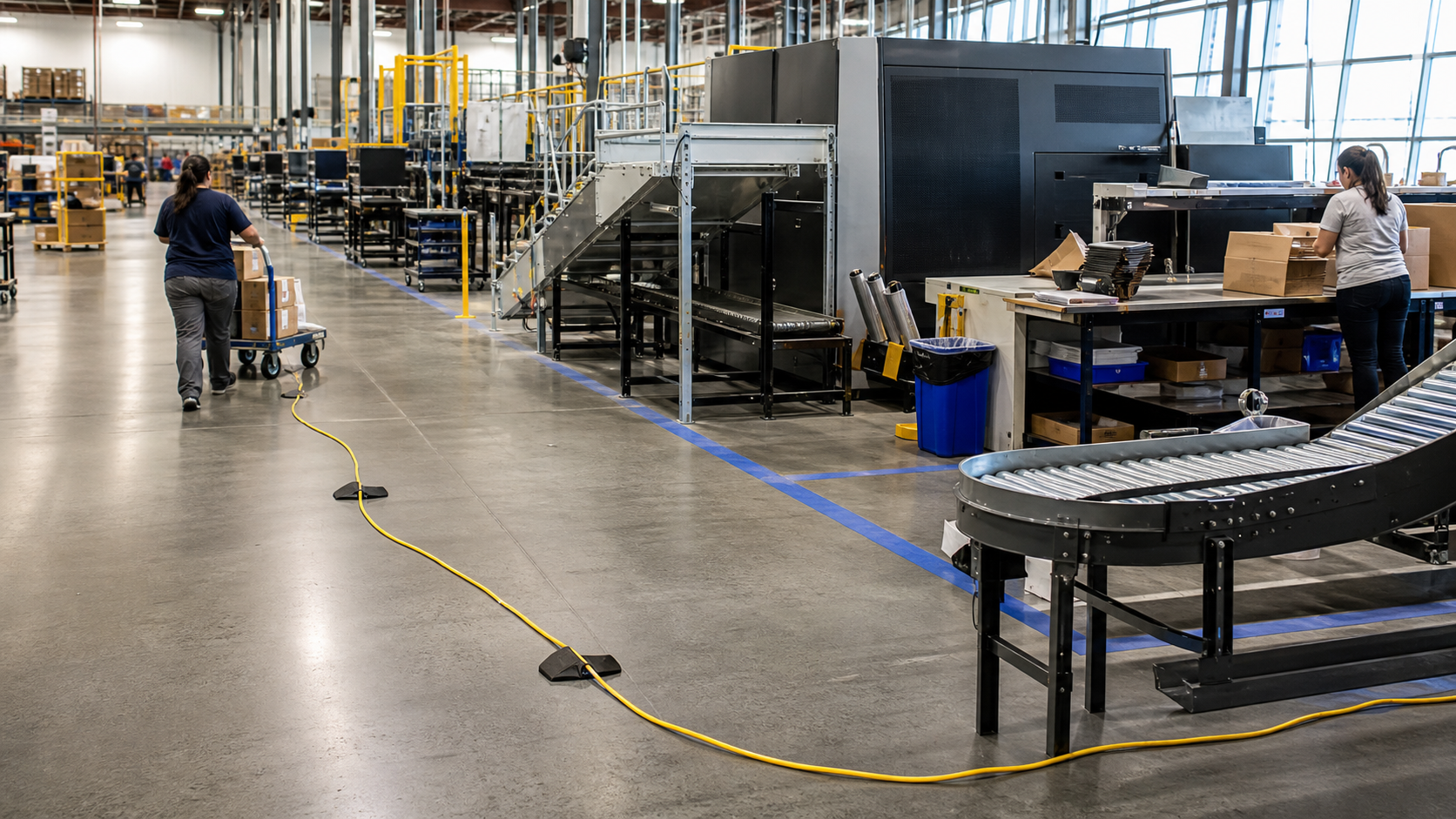
Growth turned every small exception into permanent infrastructure.
A small business can survive on exceptions because everyone remembers them. Growth changes the arithmetic before it changes the habit

The Process Looks Efficient Because Rework Happens Elsewhere
A process can look efficient when its mistakes are sent somewhere else. Here's how to measure rework across the whole transaction, not just one depart

Name the Supply-Chain Bottleneck Before Funding It
New SBA supply-chain funding creates opportunity, but small businesses need a precise operating diagnosis before choosing the solution.

The Transformation Failed Before the Software Went Live
Transformation failure begins with unclear outcomes, ownership, and process decisions. Learn what leaders must resolve before a new system goes live.

If One Employee Knows How Everything Works, You Have a Failure Point
When one employee holds critical operating knowledge, the business has a continuity risk. Learn how to capture knowledge without replacing judgment wi

Technology Isn't Your Competitive Advantage. Execution Is.
Technology alone doesn't create a competitive advantage. Learn why successful businesses focus on execution, operational excellence, and implementatio