
Customer experience, from the customer's side of the counter.
Service design, escalation, and the operational choices that determine whether a customer feels handled or handed off.
← Back to Blog
Revolving Credit Fell. Payment Friction Still Needs Attention.
Revolving consumer credit declined in August while card rates remained high, giving businesses another reason to make price, payment timing, and total cost unmistakably clear.

Spending Expectations Rose. Financial Confidence Fell.
Consumers reported stronger expected spending growth while feeling worse about their finances, creating a demand signal businesses should treat with care.

Prices Rose Again. Customers Will Judge the Explanation.
August consumer prices increased, led partly by energy, making disciplined pricing and clear customer communication more important.

The Customer Received an Answer. The Problem Stayed Open.
Fast response is not the same as resolution.

Your Customer Should Not Need a Map of Your Company
Transfers, repeated explanations, and conflicting promises force customers to reconnect departments the business chose to separate.

When Customer Self-Service Creates More Waiting
Self-service can reduce effort, but a broken path merely moves customers into a second queue and makes recovery harder.

Every "Let Me Transfer You" Is a Leadership Failure
A customer transfer often reveals fragmented information, limited authority, and missing ownership. The routing problem starts with operating design.

Customers Do Not Care Which Department Owns the Problem
Departmental handoffs create customer friction. Map the complete journey, assign ownership, and measure outcomes that cross functional boundaries.
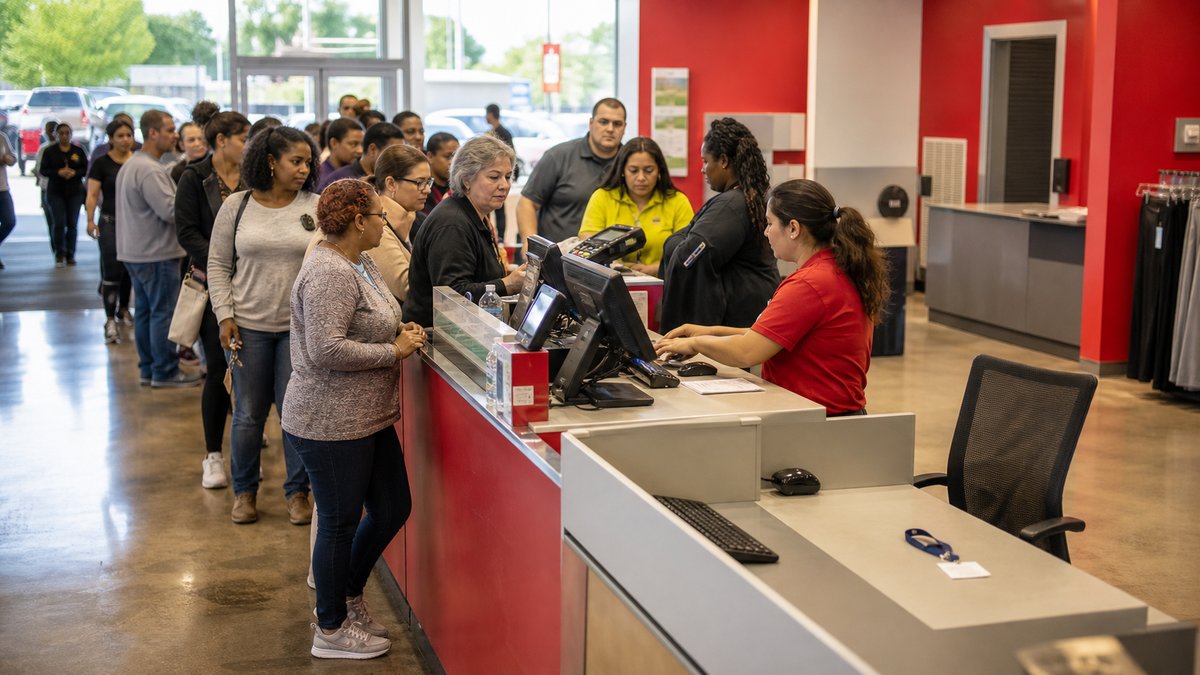
Attendance Policy Is a Customer Experience Policy
Attendance is usually treated as an employee-relations issue, but its consequences arrive at the counter. Here is how to connect attendance policy to